
 Skip to content
 I was born in Iraq in 1993, moved to Sweden in 1999, and relocated to the US in 2019. Today I work with individuals and couples in St. Louis who are ready to do meaningful, evidence-based work on their relationships and inner lives.

I focus on helping couples going through hard times. That includes dealing with cheating and the painful question of whether to stay together or part ways. We work on how you talk to each other, how to rebuild trust, and how to get through tough moments with kindness and understanding.
I also have deep experience helping people who have been through serious trauma. Trauma shapes how we relate to ourselves and others. It often shows up as anxiety, flashbacks, or trouble trusting, and it can make daily life feel like too much. It can also look like trouble sleeping, feeling numb or disconnected, or sudden anger that strains your relationships. I help clients manage these effects and rebuild a sense of safety and connection. Read more about Trauma here.
Many of my clients also live with low self-esteem and depression. I work alongside them to break down the barriers that keep them from the full, satisfying lives they deserve. Together we create a space where healing and growth are possible, so you can make lasting changes and reconnect with joy and confidence.
My therapeutic style is flexible. I combine a direct, straightforward approach with a caring, supportive one, depending on what each client needs. I want you to feel supported and gently pushed to grow.
For clients who do well with a challenge, I offer honest feedback and ask the kind of deep questions that help you reflect and grow. For clients who need a softer space, I offer understanding and kind guidance so you feel safe and seen while you heal.
My aim is to build a real, working relationship in therapy that helps you reach your full potential.
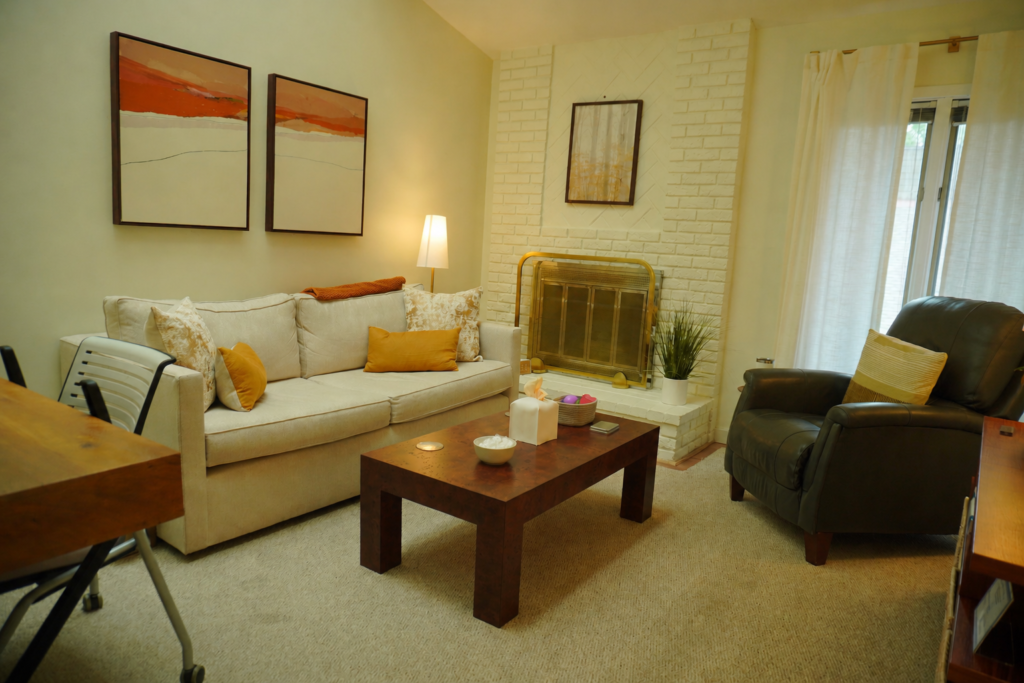

In my practice, what matters most is building trust and connection with you. A strong, genuine relationship is the foundation of good therapy. Just as important is a safe, non-judgmental space where you can be yourself. That’s where open conversation and real healing happen. Read more about this kind of emotional safety here.
I also offer guidance and direction, so you have the support and tools to face your challenges. I encourage self-reflection and personal growth, helping you find your own strengths and insights. My goal is a collaborative, transformative experience where you feel valued, heard, and inspired to make lasting changes.
My road into this work is deeply personal. Growing up, I faced my share of trauma, especially watching my parents’ relationship fall apart. It was a hard time, and it set me on a path toward healing and understanding. Therapy helped me profoundly, and I believe in its power wholeheartedly. Psychology became the guide I never had growing up. It taught me about myself and brought a rare kind of wealth.
My experiences have shaped how I see mental health and well-being. Working as a school counselor in Sweden, sitting through meditation retreats, and doing my own inner work have given me insights I bring into every session. They’ve led me to a holistic approach that treats mental, emotional, and physical well-being as connected.
I’m committed to ongoing learning, especially in trauma work. I’m trained in Internal Family Systems (IFS) Level One and Gottman Level 3, which give me advanced tools for helping individuals and couples work through their relationships and inner worlds. That training lets me offer effective, evidence-based care.
I believe everyone carries an inner light. When you nurture it, it guides you toward your fullest potential. That belief shapes my work, helping clients uncover their strengths and move toward healing and growth. My goal is a compassionate space where you can explore your inner world, heal from your past, and move forward with hope and a sense of power.
Personal growth and self-care are central to my life and my practice. To be an effective therapist, I have to look after my own mental health too. So I practice what I preach: I exercise, spend time in nature, and practice mindfulness.
I love movement and the outdoors. Exercising, shooting a traditional-style bow, playing pickle-ball, or hiking all keep me grounded and present. They’re also a healthy outlet for stress and a way to stay physically well.
My love for plants and animals reflects how much I appreciate life and growth in every form. In 2024 I welcomed two kittens into my home, my first-ever pets, and I adore them. They bring joy and warmth to my days, and caring for them has taught me a lot.
I draw inspiration from many sources, including books and quotes that have shaped how I see life and therapy. A few of my favorites:
As someone who speaks Kurdish Sorani and has lived and worked in different countries, I bring a rich cultural perspective to my practice. I understand how much cultural sensitivity and inclusivity matter in therapy. I work to create a welcoming, respectful space for clients from all backgrounds, so everyone feels seen, heard, and valued.

Life has a funny way of teaching the deepest lessons through the simplest experiences. For me, two unexpected little teachers showed up recently: my first-ever pets, two kittens. These bundles of energy and mischief have filled my home with joy and taught me a lot about love and kindness. Here’s some of what they’ve shown me.
Simba, my orange tabby, was the slower, more cautious kitten. He took longer to learn bite inhibition and often lagged behind his brother. He carries some health issues we’re working through diligently, and his gentle nature and persistence are genuinely inspiring.
Then there’s Tiko, my gray tabby, the strategic ambusher. Tiko is the thinker, the agile one, the affectionate leader of their little team. Even though he’s the bigger, older one, he often shows Simba the way and teaches him the ropes of kitten life.
One of the first things my kittens taught me is patience. Picture this: I’m peacefully sipping my morning coffee when Simba decides my foot is the ultimate prey. As I gently free my toes from his tiny but surprisingly sharp claws, I remind myself that patience is key. Simba was still learning bite inhibition, and that took time. It’s the same with people. Patience lets us understand others and respond to them more thoughtfully.
Simba and Tiko couldn’t be more different, yet they’ve found a way to coexist (most of the time). Tiko’s agility and strategic ambushes are a sharp contrast to Simba’s slower, more cautious style. This duo has shown me how much it matters to embrace individual differences in any relationship. Whether it’s a hyperactive kitten or a reserved one, recognizing and appreciating those differences helps you show the right kind of love and kindness to each one.
Simba and Tiko each have their own way of giving and receiving love. Simba loves gentle head scratches and quiet cuddle time, finding comfort in the calm. Tiko prefers interactive play, chasing feather toys, and endless games of hide-and-seek. Learning these preferences has taught me to show love in a way that lands with each kitten, a reminder that kindness is best expressed in the other’s language.
Both Simba and Tiko thrive on routine. They know mealtimes, play sessions, and cuddle periods happen at the same times each day, and that consistency has built real trust and security for them. With the people in our lives, being consistent in what we say and do builds trust and creates a sense of safety and reliability.
There’s nothing quite like kitten antics to bring laughter into your life. Whether it’s Simba’s clumsy attempts at pouncing or Tiko’s baffled face when he meets a new toy, these moments remind me how much laughter matters. It’s a powerful way to connect, lighten the mood, and show kindness through shared joy.
Simba and Tiko have an uncanny ability to live in the moment. They’re not worried about the past or anxious about the future. They’re fully engaged in whatever they’re doing. That presence is a gentle reminder of the power of mindfulness. When we’re fully present with the people around us, we show them they matter and that we value our time together.
 Optimized by Seraphinite Accelerator