Skip to content
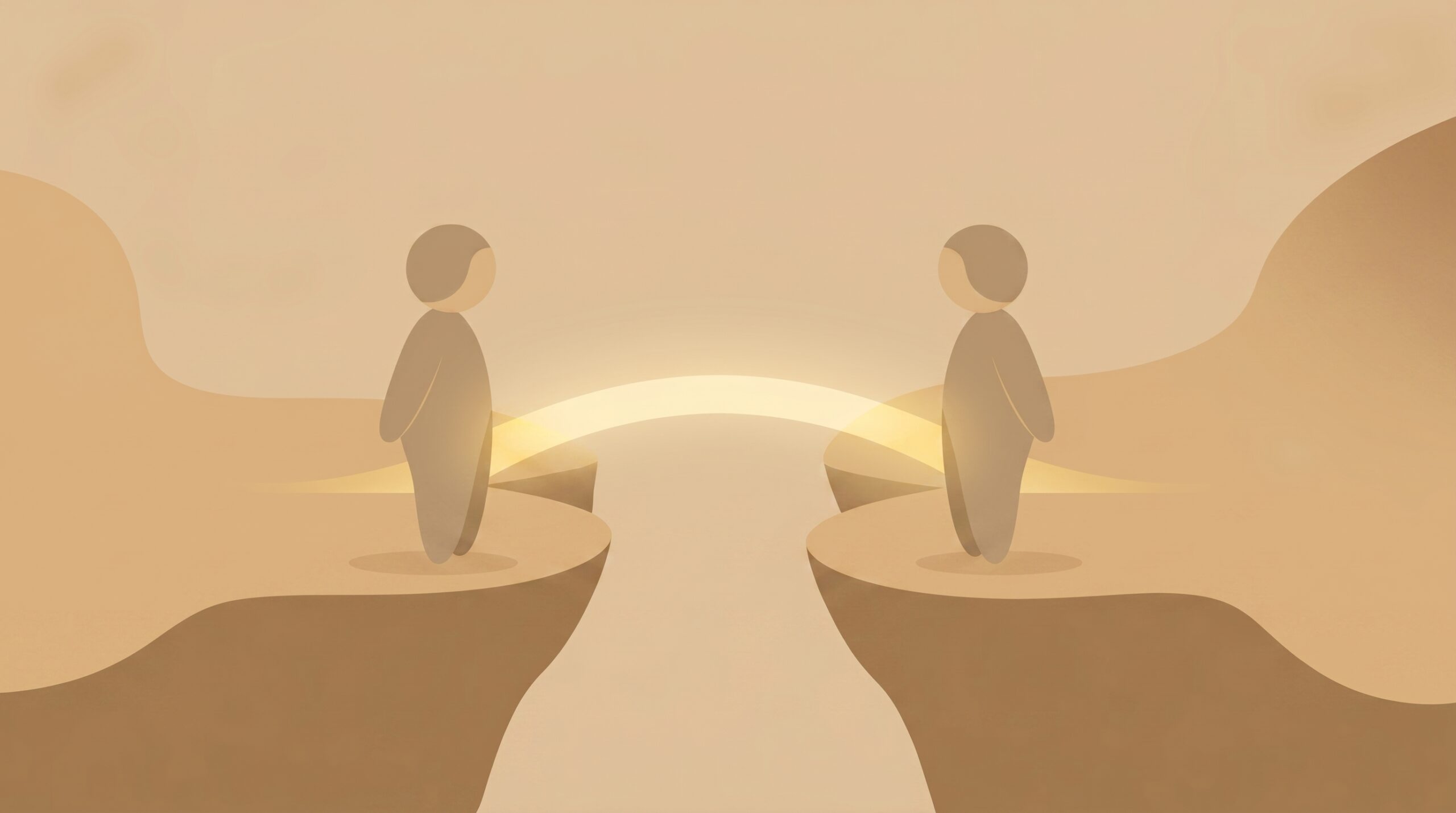
Rebuilding a relationship after you’ve been hurt can feel like trying to fix a house during a storm. You want to feel safe, close, and connected again, but fear and doubt keep slipping through the cracks. Whether the pain comes from betrayal, old wounds from past relationships, or life shaking things up in ways you didn’t expect, that kind of trauma can quietly wedge itself between you and your partner. It can leave you guarded, anxious, or always waiting for the other shoe to drop.
If that’s where you are right now, take a breath. You’re not alone, and you’re not broken. Healing relationship trauma isn’t about snapping back to “normal.” It’s about slowly, gently learning to trust again, both yourself and the person beside you.
This guide will walk with you through that healing. We’ll look at what trauma does to your sense of safety and intimacy, and how that ripple effect shows up in relationships. More than that, we’ll share down-to-earth ways to reconnect: how to talk about hard things without shutting down or blowing up, how to set boundaries without feeling like you’re building walls, and how to rebuild trust even when your heart still flinches.
Healing takes time. Some days feel like progress, others like you’re back where you started. But every moment of showing up counts, whether it’s sitting together in silence, reaching for each other after an argument, or just saying, “I’m trying.”
This isn’t about perfection. It’s about building something new together, something that holds both your scars and your hopes. You deserve a relationship that feels like home again, and it starts one small step at a time, with compassion, patience, and the belief that healing is possible, even here, even now.
Understanding the Impact of Relationship Trauma

Definition of Trauma
If you’ve been through something painful, like betrayal, abuse, or a major loss, it can leave behind invisible bruises that show up in your relationships. You might want nothing more than to feel close and safe again, yet it feels like you’re walking on eggshells or stuck behind a wall you never meant to build.
That’s the hard part of healing relationship trauma. It isn’t only about what happened in the past. It’s about how that pain echoes into the present, especially in moments that should feel loving or easy. And the symptoms are real. They’re not your fault, and they’re more common than you think.
Here are a few ways this can show up, because naming it is often the first step to softening it.
Always on edge. You might feel like you’re constantly scanning the room for danger, even when everything looks fine. This hyper-alertness, like your body is still bracing for impact, makes it hard to relax, laugh, or just sit on the couch and breathe with your partner. It’s exhausting, and it can come out as irritability or snappiness you don’t mean.
Worry that won’t let up. Anxiety sneaks in like an unwanted guest and turns small things into big fears. Maybe you replay conversations on a loop, or you avoid bringing things up because you’re afraid of conflict. That anxious buzzing makes it hard to connect, because you’re stuck in your head instead of the moment.
Feeling low or checked out. Some days it’s just hard to care. Depression doesn’t always look like crying. It can look like pulling away, not texting back, or feeling like your heart has gone dim. In that heavy fog, showing up in a relationship can feel impossible, even when you love your partner deeply.
Going emotionally numb. Sometimes the heart shuts the door just to feel safe. You may not want to pull away, but your feelings end up wrapped in bubble wrap. Maybe you can’t cry, can’t say “I love you,” or just don’t feel much at all. That’s your brain trying to protect you, and it can also make your partner feel far away, even when they’re sitting right next to you.
Here’s a real example. If someone has been cheated on before, even small, innocent things, like their partner being quiet or getting a late-night text, can set off a wave of panic. They might start snooping, questioning, or withdrawing. Not because they don’t care, but because their trust muscle is bruised. And when that fear goes unspoken, it can create the very distance they’re working so hard to avoid.
The hopeful part is that these patterns can shift. Healing relationship trauma is possible, and it doesn’t ask you to be perfect or have all the answers. It asks you to start noticing with kindness, to get curious instead of judgmental, and to take small steps, together or on your own, toward feeling safe, connected, and whole again.
You don’t have to rush. You don’t have to do it alone. And you don’t have to be “fixed.” You need space, support, and a little faith that love can grow even in cracked soil.
Effects on Relationships
When someone has been through something painful, especially in past relationships, it doesn’t just stay in the past. It sneaks into the present and shows up in ways that quietly strain even the strongest connections. Healing relationship trauma means noticing those patterns with compassion, not blame, and learning to face them together.
Here are some of the ways trauma can stir things up between partners, and what they might look like day to day.
Trust feels fragile. Trust is the glue that holds a relationship together. After a betrayal, that glue can feel dried up or cracked. Maybe there’s a constant need for reassurance: “Where were you?” “Why didn’t you text back?” Not out of control, but out of fear. That fear leads to misunderstandings, second-guessing, and emotional distance kept just in case it all falls apart again. If you notice yourself both craving closeness and bracing against it, that push-pull pattern is described in my guide to the disorganized attachment style.
Conversations feel harder. You want to talk. You try to talk. But something gets in the way. Trauma can make it scary to be vulnerable, whether you’re afraid of being judged, rejected, or just misunderstood. So you shut down, lash out, or bottle things up, and a tiny disagreement turns into a blow-up or days of silence. It’s not that you don’t care. Deep down, you’re scared to be seen and hurt again.
Pulling away to protect yourself. Sometimes the heart says, “I need space to feel safe.” That’s emotional withdrawal. You might stop sharing what matters, stop reaching for affection, or go a little numb. It’s a defense mechanism, and to your partner it can feel like rejection. They may think you’re no longer invested, when really you’re just trying to survive your own emotional storm.
Getting stuck in the same fights. Without tools or support, couples fall into a pattern where one person’s fears trigger the other’s defenses, round and round. No one is trying to hurt the other, yet both are hurting. Picture someone who has survived domestic violence. They might react strongly to a raised voice or a slammed door. Their partner, caught off guard and unsure why things escalated, might feel blamed or attacked. Both people end up confused, frustrated, and distant.
Over time, these unspoken wounds and reactions chip away at the closeness that once came so naturally. The connection feels frayed. You still love each other, and it’s harder to feel that love through all the tension and silence.
It doesn’t have to stay this way.
Healing relationship trauma means getting curious about what’s happening beneath the surface. It means saying, “This isn’t working, and I want to understand it, not run from it.” With support, patience, and small acts of courage, couples can learn to listen differently, love more gently, and build a new kind of safety together, one that isn’t haunted by the past.
It isn’t easy. It is possible. And you don’t have to do it alone.
Self-Care That Actually Helps When You’re Healing Relationship Trauma
When your heart has been through the wringer, even the smallest things, like getting out of bed, making a meal, or answering a text, can feel like a mountain. That’s where self-care comes in. Not the fluffy, bubble-bath kind (though if that works, go for it), but the real kind, the kind that helps you feel grounded, steady, and a little more like yourself.
Healing relationship trauma doesn’t happen overnight. Caring for yourself in small, gentle ways every day slowly rebuilds your strength from the inside out. Think of it like laying bricks. Each self-care moment is one more piece of foundation to stand on. Here’s what that can look like.
Move Your Body in Ways That Feel Good
You don’t need to hit the gym or run a marathon. Just move. Dance in your kitchen. Stretch while your coffee brews. Go for a walk and let the rhythm of your footsteps remind you you’re still here. Movement shakes loose some of the stuck energy relationship trauma leaves behind, and those endorphins are tiny mood-boosters your body hands you for free.
Write It Out, No Filter Needed
Grab a notebook, a notes app, whatever works, and let the words pour out without worrying if they make sense. Journaling helps untangle the knot of thoughts in your head. Some days it’s a vent session. Other days it’s a list of three tiny things you’re grateful for (yes, coffee counts). It’s not about writing something perfect. It’s about making a safe space on the page when your brain feels messy.
Get Outside (Even Just a Little)
Being in nature has a way of calming the nervous system. Maybe it’s the smell of pine trees or the sound of birds, but nature reminds us we belong here. Try stepping outside once a day. Bare feet in the grass, a walk around the block, or just sitting on your porch with your face in the sun. A little fresh air can make your world feel bigger and your worries feel smaller.
Make Something, Anything
Paint. Bake cookies. Doodle in the margins of your journal. Build a playlist that captures how you feel. Creative expression isn’t about being “good” at it. It’s about letting your emotions move through your hands instead of staying stuck in your chest. One person might splash messy paint across a canvas with no plan at all, just feelings in color. Another might find peace in knitting, each stitch like a quiet exhale.
Couple’s Activities That Support Relationship Healing
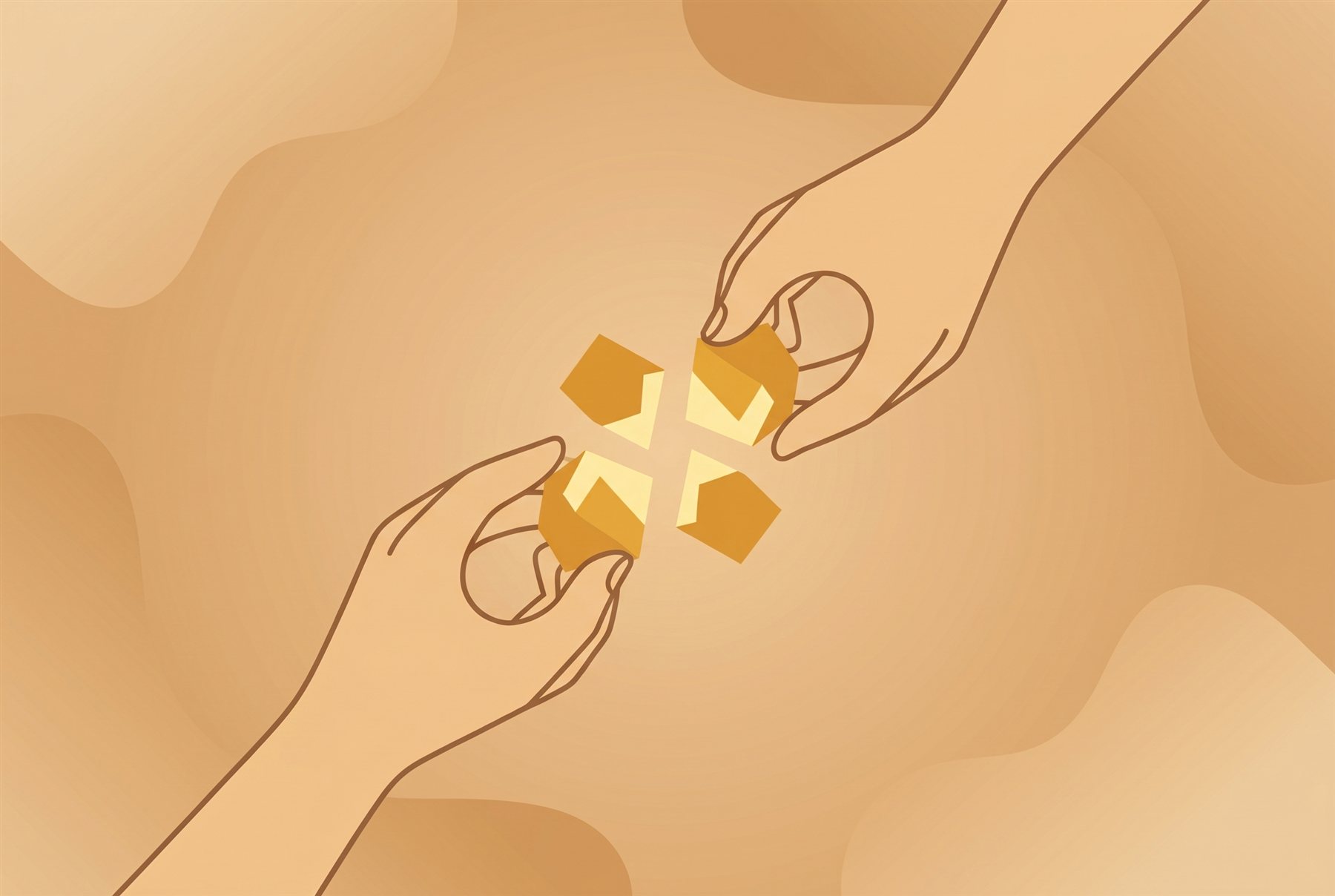
Little Things That Help You Feel Close Again When You’re Healing Relationship Trauma
When your relationship has been through something heavy, whether a big rupture or the slow wear and tear of unspoken pain, it can be hard to feel connected. Sometimes even simple moments together feel loaded. You might love each other deeply and still feel miles apart.
That’s why small, low-pressure activities make such a difference. When you’re healing relationship trauma, the goal isn’t to fix everything at once. It’s to slowly rebuild trust and closeness through shared, meaningful moments. The kind that don’t need perfect communication, just a little willingness to show up.
Here are a few simple ways to do that.
Walk It Out, Literally
Walking side by side makes healing relationship trauma feel a little easier. You’re not staring each other down or forcing a big talk. You’re just moving together, step by step. Around the block, through a park, or on a beach at sunset, walking loosens up the silence and invites more natural conversation. Or no conversation at all. Just being in each other’s company is enough.
Make a Meal Together
Cooking together is a gentle way to reconnect while healing relationship trauma. It doesn’t have to be fancy. Pick a recipe, chop some veggies, and mess around in the kitchen together. It’s a natural way to build teamwork without talking about teamwork. Maybe you play music, maybe you argue over how much garlic is “too much,” or maybe you just enjoy the process quietly. Either way, you’re creating something side by side, and that’s powerful. Even a weekly “date dinner” where you both cook can become a comforting ritual, a small reminder that you can still make something beautiful together.
Stretch, Breathe, and Move as a Team
If you’re into it, try a little yoga or mindful movement. Don’t worry about being bendy or zen. It’s not about perfection. Roll out a couple of mats in the living room and breathe together. Try a simple stretch or a guided video. Moving in sync, slowing your breath, and making eye contact in a relaxed setting can help you feel more emotionally connected, especially when words are hard to find.
Play Like You Used To
Laughter is medicine while healing relationship trauma, especially when things feel heavy. Dust off a board game, play cards, shoot hoops, or have a ridiculously competitive round of Mario Kart. The point isn’t who wins. It’s the shared silliness, the joy, and the inside jokes that start to come back when you let yourselves just be a little goofy together. You might even set up a weekly game night. No pressure, just a little lighthearted space to be teammates again.
Effective Communication Techniques
Talking (and Listening) Your Way Back to Each Other: Communication While Healing Relationship Trauma
When your relationship has been through something hard, betrayal, grief, abuse, or the slow erosion of trust, healing relationship trauma can feel like walking through a minefield, especially when it comes to talking. Words get stuck. Feelings come out sideways. Silence starts to feel like the safe option, even though it leaves you both more alone.
The hopeful part is that you can learn to talk again. Not perfectly. Not without a few bumps. But in ways that feel honest, kind, and real.
When you’re healing relationship trauma, good communication isn’t about saying all the right things. It’s about creating moments where you feel seen, safe, and heard. People throw around the phrase “active listening,” so let’s take it out of the therapy room and into real life. This kind of listening means slowing down and giving your partner your full, loving attention, not just to respond, but to truly get them.
Here’s how to do it:
- Be all in. Put down your phone. Turn off the TV. Turn toward your partner, make eye contact, and let them know: I’m here. I’m listening.
- Say it back. When they’re done sharing, reflect what you heard. Try: “It sounds like you felt really overwhelmed today, especially after that meeting. Did I get that right?” It’s a way to make sure they feel heard.
- Show empathy. You don’t have to fix it. Just say what’s real: “That sounds awful.” “I can see why that would hurt.” Validation goes a long way, especially when someone feels vulnerable.
- Stay open. Try not to jump in, defend, or shift the focus to yourself right away. Just hold space, like you would for a friend.
- Use “I” instead of “you.” Say, “I feel hurt when plans change last minute,” instead of “You never follow through.” It lowers defenses and keeps things centered on your experience.
- Stick to one thing at a time. Don’t drag in every fight from the last five years. Focus on what’s happening right now and try to solve this one moment.
- Be solution-focused. Ask: “What could help us do this differently next time?” or “What would feel better for both of us?” Working as a team softens the conflict.
- Take breaks if needed. If either of you gets overwhelmed, agree to press pause and set a time to come back when you’re both calmer.
You won’t agree on everything, and that’s okay. Learning to disagree respectfully is a skill, and it helps you both feel safe even when you don’t see eye to eye.
Final Thoughts: Keep Showing Up, Even When It’s Hard
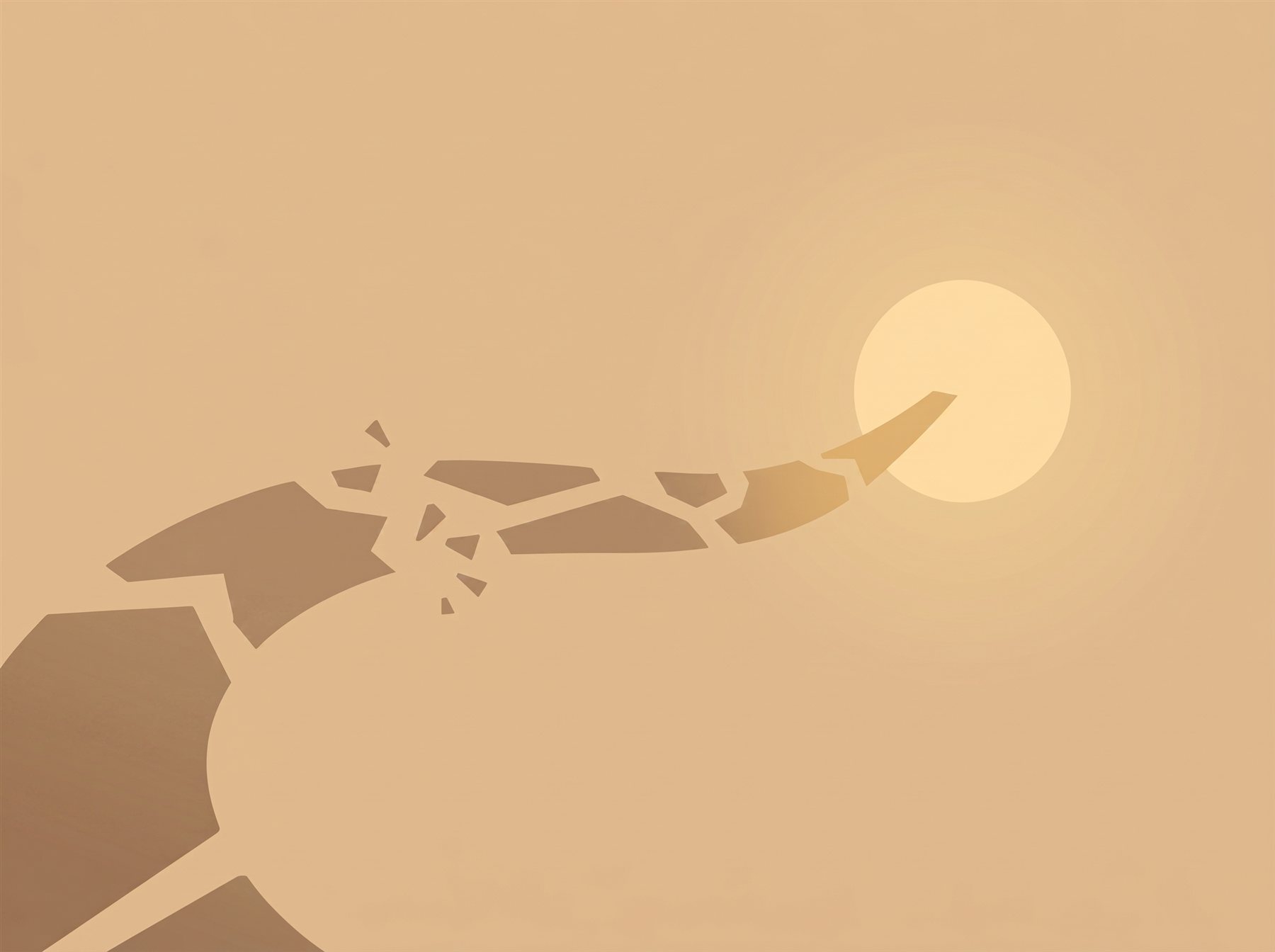
Healing relationship trauma isn’t about doing everything perfectly. Healing a relationship takes time, and it rarely moves in a straight line. It’s about showing up, imperfectly, vulnerably, and with love. It’s about learning to listen with soft eyes, speak with care, and reach for each other even when the past still echoes in the room.
Some days of healing relationship trauma will feel light and hopeful. Other days will feel like walking through fog. That’s okay. Healing isn’t linear. It’s more like a winding road with plenty of rest stops, wrong turns, and moments of rediscovery.
With every honest conversation, every small act of care, every shared laugh or quiet apology, you’re building something new. Something real. Something rooted not just in love, but in resilience.
You don’t need to rush. You don’t need to have it all figured out. Just keep choosing each other, one moment at a time.
Healing relationship trauma is possible. It’s worth it. And so are you.
References
- Van der Kolk, B. (2014). The Body Keeps the Score: Brain, Mind, and Body in the Healing of Trauma. Viking.
- Levine, A. & Heller, R. (2010). Attached: The New Science of Adult Attachment and How It Can Help You Find – and Keep – Love. TarcherPerigee.
- Johnson, S. (2008). Hold Me Tight: Seven Conversations for a Lifetime of Love. Little, Brown and Company.
- Gottman, J. M. & Gottman, J. S. (2015). The Seven Principles for Making Marriage Work: A Practical Guide from the Country’s Foremost Relationship Expert. Harmony Books.
- American Psychological Association. (2021). Trauma and Posttraumatic Stress Disorder. Retrieved from APA
- National Institute of Mental Health. (2022). Post-Traumatic Stress Disorder. Retrieved from NIMH
Frequently Asked Questions About Healing Relationship Trauma
What is relationship trauma?
Relationship trauma is the lasting emotional impact of harmful patterns inside a close relationship: betrayal, ongoing criticism, emotional neglect, abuse, or repeated ruptures without repair. It shapes how you trust, how you connect, and how your body responds to closeness, often long after the relationship ends.
How long does it take to heal from relationship trauma?
There is no fixed timeline. Healing depends on the depth of the wound, the support you have, and the patterns you grew up with. What matters more than speed is direction: small, consistent steps toward feeling safer in your body and in connection.
Can you heal from relationship trauma on your own?
Some healing happens through self-reflection, somatic practice, and time. But relational wounds often need relational repair to fully heal. Individual therapy creates a safe relationship where the old patterns can be understood and rewired.
What are the signs of unhealed relationship trauma?
Signs include hypervigilance with partners, difficulty trusting, shutting down during conflict, attracting similar dynamics again and again, and feeling unsafe even in calm relationships. Your body holds the memory, even when your mind has moved on.
How does therapy help with healing relationship trauma?
Therapy gives you a space to slow down and understand what happened, why your nervous system responds the way it does, and how to build new patterns. My approach blends somatic awareness, parts work, and relational depth to support that process.